
The Space Between Discipline and Discernment
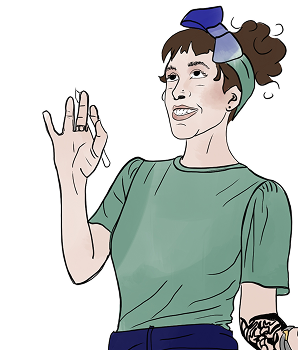
I was really excited to talk with Zoë Ward. Her work has always had this sharp, slightly cynical edge — she’s willing to question the traditions she comes from. Zoë spent decades as a devoted Ashtanga practitioner, but she’s also one of the clearest voices naming the flaws and blind spots in the system. That combination of devotion and critique is rare, and it’s exactly what made me want to sit down with her.
But my interest goes beyond the specifics of yoga lineages. People often turn to spiritual traditions, religious communities, or even mental health systems when something in their life feels off. They want structure, healing, direction. The risk is that commitment can slide into fixation. Any practice — yoga, meditation, therapy, whatever — can become something we cling to instead of something that helps us see clearly. We have to keep our agency, keep questioning whether the process is serving our life or quietly taking it over. That’s the deeper thread running through this conversation.

You’ve practiced yoga for more than two decades. What first pulled you in — and what did you hope practice would give you?
I think I was looking for a combination of structure and meaning. I grew up pretty focused, almost overly disciplined in some ways, and yoga gave me something to pour that energy into. At the same time, it felt like a doorway into something softer — a place where discipline met curiosity. Early on, I thought practice would give me answers. Over time, I realized it mostly gave me better questions.
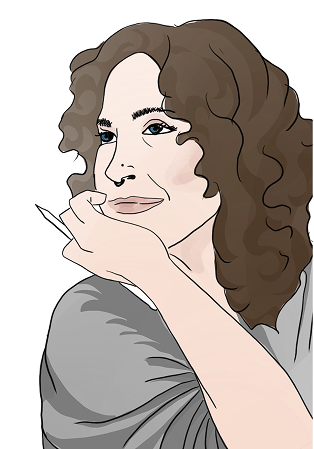
“…Structure helped me feel grounded when everything else felt messy. And honestly, it felt good to devote myself to something that asked a lot of me. But structure has a shadow side. You can start using it to evaluate yourself — Am I good enough? Am I disciplined enough? Am I devoted enough? I didn’t recognize that pattern at first, but it was definitely happening.”
At one point you became deeply immersed in a very traditional approach to yoga. What did that season teach you?
Traditional practice gave me stability. Having a clear method and a consistent routine lowered the noise in my life. The structure helped me feel grounded when everything else felt messy. And honestly, it felt good to devote myself to something that asked a lot of me.
But structure has a shadow side. You can start using it to evaluate yourself — Am I good enough? Am I disciplined enough? Am I devoted enough? I didn’t recognize that pattern at first, but it was definitely happening.
What was the turning point — the moment you started questioning the culture around the practice?
It wasn’t one moment. It was a slow accumulation of things that didn’t sit right. I saw how easily authority can be misused, even unintentionally. I saw teachers rationalize harm because the system rewarded obedience. And I saw how much pressure students put on themselves to fit a mold.
It made me step back and ask:
Is this helping people flourish, or is this just teaching them to tolerate discomfort because they think it’s noble?
That’s when discernment started mattering as much as devotion.
You stepped away from teaching for almost a decade. What did that pause reveal?
That I had been outsourcing my own intuition. I was following rules that didn’t always make sense for my body or my life. Taking time away showed me that I didn’t want to be a gatekeeper. I wanted to help people trust themselves.
The practice didn’t fail me — my relationship to it had become distorted. I had to rebuild it from a place of love rather than “I should” or “I have to.”
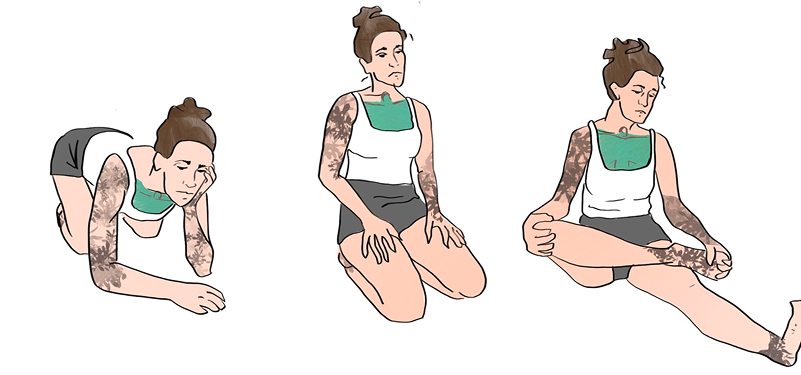
“The practice didn’t fail me — my relationship to it had become distorted. I had to rebuild it from a place of love rather than ‘I should’ or ‘I have to.’”
One thing you said in our conversation really stayed with me — the difference between devotion and self-erasure.
How do you tell the difference?
Devotion is sustainable. It makes you more whole. It brings you closer to your own life.
Self-erasure feels like shrinking to fit someone else’s expectations.
A lot of people confuse hardship with transformation. But not everything difficult is good. And not everything gentle is indulgent. Discernment is being honest about which is which.
Many people listening to this conversation aren’t yoga practitioners. What do you think is universal about your experience?
Honestly? All of us are trying to figure out how to live. Most people who gravitate toward demanding practices are looking for something — healing, meaning, identity, belonging.
Any structured system — yoga, medicine, religion, even fitness — can become a place where we stop thinking we’re allowed to choose. That’s where harm happens.
So this isn’t a yoga story. It’s a human story about how easily we abandon ourselves in the name of transformation.
You’ve talked about the trap of using practice as a scorecard. What’s the alternative?
Practice should be a tool, not a test.
A tool helps you see more clearly. A test makes you perform.
When people stop performing, they actually start healing. They make choices that feel true. They stop trying to meet someone else’s standard of “good.” They start asking their own questions.
That’s where agency grows.
You’ve become increasingly vocal about ethics, boundaries, and teacher responsibility. How do you think helping professions can evolve?
By acknowledging that expertise isn’t the same as authority.
Good teachers — and good clinicians — know when something is outside their scope. They don’t use mystery or charisma to fill in the gaps.
We need systems that prioritize transparency, consent, collaboration, and shared decision-making. Whether you’re in a yoga room or a clinic, people deserve care that strengthens their autonomy rather than weakening it.
You eventually returned to teaching. What felt different this time?
I came back because I realized I could offer something without recreating the dynamics I struggled with. I wanted to help people rebuild trust in themselves — not in me, not in a system, not in a hierarchy.
Now I teach with a lot more conversation. We talk about goals, capacity, permission, boundaries. There’s room for emotion, humor, and choice. Practice becomes something students inhabit, not something they obey.
If you think about flourishing — our shared theme at Advaita — what role does practice play?
A healthy practice helps you participate more fully in your life. That’s it.
It should make you more attentive to your relationships, more honest in your choices, more able to hold complexity.
If a practice asks you to disconnect from your body, your intuition, or your needs, then it’s not flourishing — it’s coping. And there’s a big difference.
Last question: Are you still a seeker?
No. I’m not looking for answers anymore. I’m living the life I have.
There’s an aliveness in that — a groundedness. In a way, the seeking finally did its job. It made me realize there was nothing to find outside my own life.
And that’s enough.

Learn more about Zoë Ward’s work:
@unrulyascetic
Listen to Zoë’s Interview with Tripp Johnson:
Closing Note
What Zoë names is the quiet pivot point where discipline becomes wisdom. When we stop performing and start listening, the path opens back toward a life we actually recognize.